-
Recent Posts
Recent Comments
Archives
Categories
Meta
English translations of Basman Ben-Hayim’s poetry
I have translated some of the poems that the poet recites on this blog. In time, I will post them. Meantime, all translations of Basman Ben-Hayim’s poems are most welcome. If there are other translations not mentioned here, please feel free to make them known.
English Translations of Basman Ben-Hayim’s poetry not mentioned in “My Desert is Hotter”):
1. In the book Trot Bay Trot: Contemporary Yiddish Poetry (Bemporad and Pascucci, eds) Firenze, 2009, there are Yidddish poems on one side and my English tranlations of them on the opposite side, pp. 40-57. (If I can get the publisher’s permission, I will scan them here.)
2. Kathryn Hellerstein and I jointly published a translation of “grinkaytn”, greenesses. It can be found in Nashim, no. 19, spring 2010, pp. 174-175.
Posted in Uncategorized
Comments Off
Encyclopedia Article on Basman Ben-Hayim
The following article on Basman Ben-Hayim appears in the Encyclopedia of Jewish Women. It is a bit out of date, but it gives the names of the poet’s books and some extra biographical information not found in the other articles. See http://jwa.org/encyclopedia/article/basman-ben-hayim-rivka
Posted in Uncategorized
Comments Off
“My Desert is Hotter”
The following article, gives an overview of Basman Ben-Hayim’s poetry. It has English translations of poems not found in the introductory essay here (“Not Yet…”), an extended bibliography of translations of her poems into Hebrew and references to translations into English other than my own. http://wjudaism.library.utoronto.ca/index.php/wjudaism/article/view/12648
Posted in Uncategorized
Comments Off
Hear the Poet Recite Her Own Poetry
The following 70 tracks were on a CD that Basman Ben-Hayim made in Israel. She and the producer of the CD disc, Mr. Leo Fayerman, have given me permission to put these recordings online for the general public.
After hearing a bit of music, you can listen to the poet talk about writing poetry: click on the following: 01IntroductionbyPoet
English translation of introduction
To listen to the poem called ”In Bloom”, click on the following: 02InBli
English translation of In Bloom
What follows is one of the few poems in which the poet touches on what might be called a “political” subject. It is her view that there should be no such thing as capital punishment. It’s called: “Why Must We Kill a Person?”. To hear it click: 03TsuVosDarfMenTeytnAMentch
English translation of Why Must We Kill a Person
The following poem is entitled: “One Gets Sick From Remembering”: 04FunGedenknVertMenKrank
English translation of One Gets Sick
The following poem is entitled: “We Are Uneasy”: 05Umru’ikZaynenMir
English translation of We Are Uneasy
This poem is entitled: “‘Tollarup’- A Street with a Musical Name”: 06TollarupaGasMitaZingeknNomen
English translation of Tollarop, A Street with a Melodious Name
The following poem is entitled: “Those Forests are Still Aflame” : 07EsFlamenNokhAltsYeneVelder
The following poem is entitled “Bright [Written] Lines”: 08LikhtikeShures
The following poem is entitled “The Gift” 09DiMatone
The following poem is entitled: “In Memory of My Little Brother Arele”: 10LeZeykherMaynBrunderlArele
This poem is entitled: “You Say We Must Record”: 11DuZogstMenDarfFarshraybn
This poem is entitled: “Have You Seen How the Tree Has Aged?”12HostGezenViDiBoymIzGevornaZokn
Click here for the poem “Amid the Surrounding Noise”: 13InTumelFunArum
This poem is entitled “Time Doesn’t Pass Without Leaving Signs”: 14DiTsaytFargeytNitOnSimonim
Click here for “My Mother”: 15MaynMame
The following poem, written after the poet spent time in Soviet Russia (during the Cold War) is entitled: “In the Moscow Synagogue”: 16InMoskverShul
The following poem is entitled “A Stone Lamb”: 17AShefeleFunShteyn
The following poem is entitled: “The Most Beautiful Thing I Saw at Dawn”: 18DiShensteZakhVosKh’hobGezenBaginen
Click here for: “What Does a Person Take Along for the Road?” 19VosNemtAMentshMitZikhInVeg
Click here for: “For Whom Does a Flower Bloom?” 20FarVemenBlitABlum
The following poem is entitled: “Sometimes You Have to Re-take Old Paths” 21MenDarfAmolBanayenAlteVegn
The following poem is entitled: “If People Were to Start Their Day Planting Flowers”: 22AzMentshnVoltnOngehoybnZeyerTogMitFlantsnBlumen
Click here for: “Did You Know the Young Man Who Fell Yesterday Along the Jordan?” (It should be noted that in Israel one says “fell” when one means “killed in war”.): 23TsiKentIrDemYinglVosIzNekhtnGefalnBamYarden
The poet dedicates this poem to Rami, a former pupil who was killed. Click here for “My Pupil”: 24MaynerATalmid
This poem is entitled: “To a Turtle”: 25TsuAShildkret
This poem is entitled: “What Does a Bird Do When Its Loved-one Dies?” : 26VosTutAFoyglVenZaynNoenteShtarbt
Click here for “Let’s Hear Good Music” : 27LomirHernGuteMuzik
Click here for: “[I] Struggled a Whole Night”: 28AGantseNakhtGerangltZikh
This poem is entitled: “Night-time Walks”: 29NakhtikeShpatsirn
This poem is entitled: “The Salty Figure of Lot’s Wife”: 30DiZaltsikeGeshtaltFunEyshesLot
Click here for: “To the Grey Path”: 31TsumGroziknShteg
Click here for: “It’s Not a (Great) Feat”: 32S’izNitKeynKunts
This poem is entitled: “When It’s Quiet I speak Yiddish”: 33InShtilkaytReydIkhYidish
This poem is entitled; “You Can Lean On a Word”: 34OyfAVortKonMenZikhOnshparn
Click here for: “Poems are Sad”: 35LiderZaynenUmetik
Click her for: “A Day”: 36ATog
The following poem is entitled: “We Drained Swamps”. It is a reference to the national project, undertaken in the 1950s, to drain the Hula Valley swamp. This turned out to be ecologically unwarranted. Late in the 20th century, the swamp was returned to its pristine condition. This is Basman Ben-Hayim’s (pithy) take on that story. 37MirHobnGetriknZumpn
This poem is entitled: “The Rain”: 38DerRegn
This poem is entitled: “My Doctor, the Tree”: 39MaynDoktorDerBoym
Click here for “We Re-pay Everyone with Gold”: 40MirTsolnOpAYedernMitGold
Click here for: “Who knows”: 41VerVeyst
This poem is entitled “Don’t start Up with the Night”. There is a sly humor here, as there is in Basman Ben-Hayim’s poem “My Desert is Hotter than Yours”. : 42HeybZikhNitOnMitDerNakht
This poem is entitled: “Far-Away Suns: For Meyer Yellin”. (Meyer Yellin was a fellow Yiddish writer who lived in Israel.) : 43VayterZunenFarMayerYelin
This poem is entitled “Sholem Rozenfled”. Rozenfeld was a well-known community leader in the Yiddish world as well as a friend of the poet.: 44SholemRozenfeld
Click here for the poem: “In Equal Parts”: 45GlaykhOyfGlaykh
Click here for the pome: “Flower-like White” :46BlumikVays
This poem is entitled “Mula”. Mula (a nickname for Shmuel) Ben-Hayim, an artist, was Basman Ben-Hayim’s husband. See the biography above for more. : 47Mula
This poem is entitled: “Longing”: 48Benkshaft
This poem is entitled: “The Earth Remembers”. Like many other poems the poet has written, the Holocaust is in the poem, but it is addressed only tangentially. 49DiErdGedenkt
Click here for the poem: “Polonaise”: 50Polonez
Click here for “The Sun Begins Setting While on High”: 51DiZunHeybtOnGeynFunDerHeykh
The following poem is entitled: “History”: 52Historye
The following poem is entitled: “I Saw in a Tree”: 53Kh’hobGezenInABoym
Click here for the poem: “Young Artists”. One should remember that for a while Basman Ben-Hayim and her husband lived in the artists’ colony of Tsfat. 54YungeMolers
Click here for the poem: “Still Life”: 55ShtilLebn
The following poem is entitled; “The Sun-Dial Stood Still”: 56DerZunZaygerIzGeblibnShteyn
The following poem is entitled: “In Seeking Out Love”: 57InShpurnFunLibshaft
The following poem is entitled: “Poem Elixir”: 58LiderEliksir
The following poem is entitled: “The Day that Slides Away”: 59DerTogVosGeytFarbay
The following poem can be found in English translation in the introductory essay above (“Not Yet: a Great Yiddish Poet Lives”). Click here for the poem “Spring”: 60Friling
The following poem is entitled “Purim in the City”: 61PurimInShtot
Click here for the poem: “Don’t Hurry – an English Poem”: 62AyltNitAnEnglishLid
Click here for the poem: “Pigeons Speak YIddish”: 63ToybnReydnYidish
The following poem is entitled; “Sometimes a House is Compared to a Ship”: 64AmolIzGeglikhnAShtubTsuAShif
The following poem is entitled: “Loners”: 65Aleyngeyers
The following poem is entitled: “On Mula’s Tenth Yortsayt” (Alternatively: “On the Tenth Anniversary of Mula’s Death”): 66TsuMula’sTsentnYortsayt
Click here for the poem: “Years Later I Understand” : 67NokhYornBanemIkh
Click here for the poem: “Those Who Hug a Tree”: 68DiVosNemenArumABoym
The following poem is entitled: “I’ll Go Holiday-like During the Week” 69Kh’velGeynYontefInDerVokhn
The final track is music the poet chose to end this series of recitations. To hear it click on: 70Music
Posted in Uncategorized
Comments Off
Not Yet: A Great Yiddish Poet Still Lives
Not Yet– A Great Yiddish Poet Still Lives
When Avrohom Sutzkever died in January, 2010, word went out that “the last great Yiddish poet” was gone. But there is a very different, very fine Yiddish poet who is still alive: Rivka Basman Ben-Hayim. Twelve years his junior, a fellow poet and a true friend of his, Basman Ben-Hayim is still writing poetry. She lives and works in Israel but is hardly known in the U.S.
The twelve years that separated Sutzkever and Basman Ben-Hayim were critical years. Sutzkever was a grown man who had been to the university and married by the time the Nazis occupied Lithuania. Rivka Basman, on the other hand, was only a young teenager when the Nazis herded her first into the Vilna ghetto and then into the Kaiserwald labor camp. In the camp, Rivka and two other young women attempted to lift the spirits of their camp mates. At the end of every work day, one sang, one danced, and one, Rivka, recited a poem she had composed that day. Although she was untutored and her poetry was raw, Rivka later felt that her poetry had succeeded in consoling her camp-mates. As she said in her poem “Remembrance”:
I sang then
And my poem
Was itself our sun.
When the Nazis liquidated the camp, Basman rolled these poems under her tongue. She now feels these poems are “not sublimated enough” and so are not of esthetic value. But because she feels they are of historic value, she plans to donate them to Yad Va-shem.
Basman met and married Shmuel (Mula) Ben-Hayim after the war. Together the two joined Berikha, the movement that helped send Jewish refugees illegally to (what was then) Palestine. Once they reached Palestine themselves, the couple settled in kibbutz Ha-Ma’apil. Life continued to be fraught with danger. Mula joined the Haganah and fought actively in the War of Independence, while Rivka herself took up arms when the kibbutz was attacked. Basman Ben-Hayim has never been willing to speak in detail about this period. “We were attacked, so we defended ourselves”. That is all she volunteers when asked about the war.
Basman Ben-Hayim says now that watching things grow on the kibbutz was “therapeutic”. But for her, as for many survivors, for all the apparent normalcy, the trauma of the war years lingers on. Here is how she put in her poem
“The Depths”:
You’ve stitched
My ripped surface,
Pasted and gathered,
Until there appeared
A tiny light
And I forgot about myself.
I’m no longer broken
But the depths-
They haven’t yet spoken.
In the 1950s, Basman Ben-Hayim was a member of Yung Yisroel, the organization of Yiddish poets living in Israel that Sutzkever spearheaded and encouraged. Rivka continued to publish poems in Di Goldene Keyt, the journal edited by Avrohom Sutzkever as well as in Svive, the journal edited by Kadya Molodowsky, as she took a teaching degree and taught children on the kibbutz.
From 1963 to 1965, when her husband was Israel’s cultural attaché to the Soviet Union, she taught the children of the diplomatic corps in Moscow. Never one to shirk from danger, she maintained clandestine contact with Soviet Yiddish writers. Her book of poems, Bleter fun Vegn, Leaves from the Roads, written after she returned home from Moscow, gave voice to her concern for Jewish life behind the Iron Curtain.
Basman Ben-Hayim now heads the Yiddish writers’ union located in Bet Leyvik. Like YIVO in New York, Bet Leyvik sponsors programs on Yiddish, the language and its literature, for the general public. Occasionally it is Basman Ben-Hayim herself who speaks. More often than not, the lecturers are drawn from the pool of researchers in Israel and abroad.
Basman Ben-Hayim’s poems are personal and elegiac. They tend to be short and they nearly always have rhyme. She writes about her Holocaust experience, but always obliquely. But that is by no means her only theme. She writes of love, friendship, the natural world of Israel and human nature as she knows and understands it. Here is her poem on friendship:
“Younger than Time”
There is an old friendship
Young looking
Which comes and speaks
Of cherry blossoms,
Preserves the sap
Which a honeybee has lost-
There is an old friendship
Younger than time.
It comes and inquires
About each separately.
A silence that’s concealed
Rejuvenates the mind.
There is an old friendship
Younger than time.
In Israel when jacaranda trees blossom in spring they throw entire streets into a purple shower. Here is Basman Ben-Haim’s poem on Tel Aviv in spring:
Spring:
The jacarandas flooded Tel Aviv streets
And people drowned in the bloom.
Passersby smiled at the purple,
Poets didn’t understand, how
With no pencils, with no paper, such creation
With no erased lines of speech
Shows itself suddenly with such elation
And sings itself, all purple.
The jacarandas flooded Tel Aviv streets
And people drowned in the bloom.
Passersby smiled at the purple,
Poets didn’t understand, how
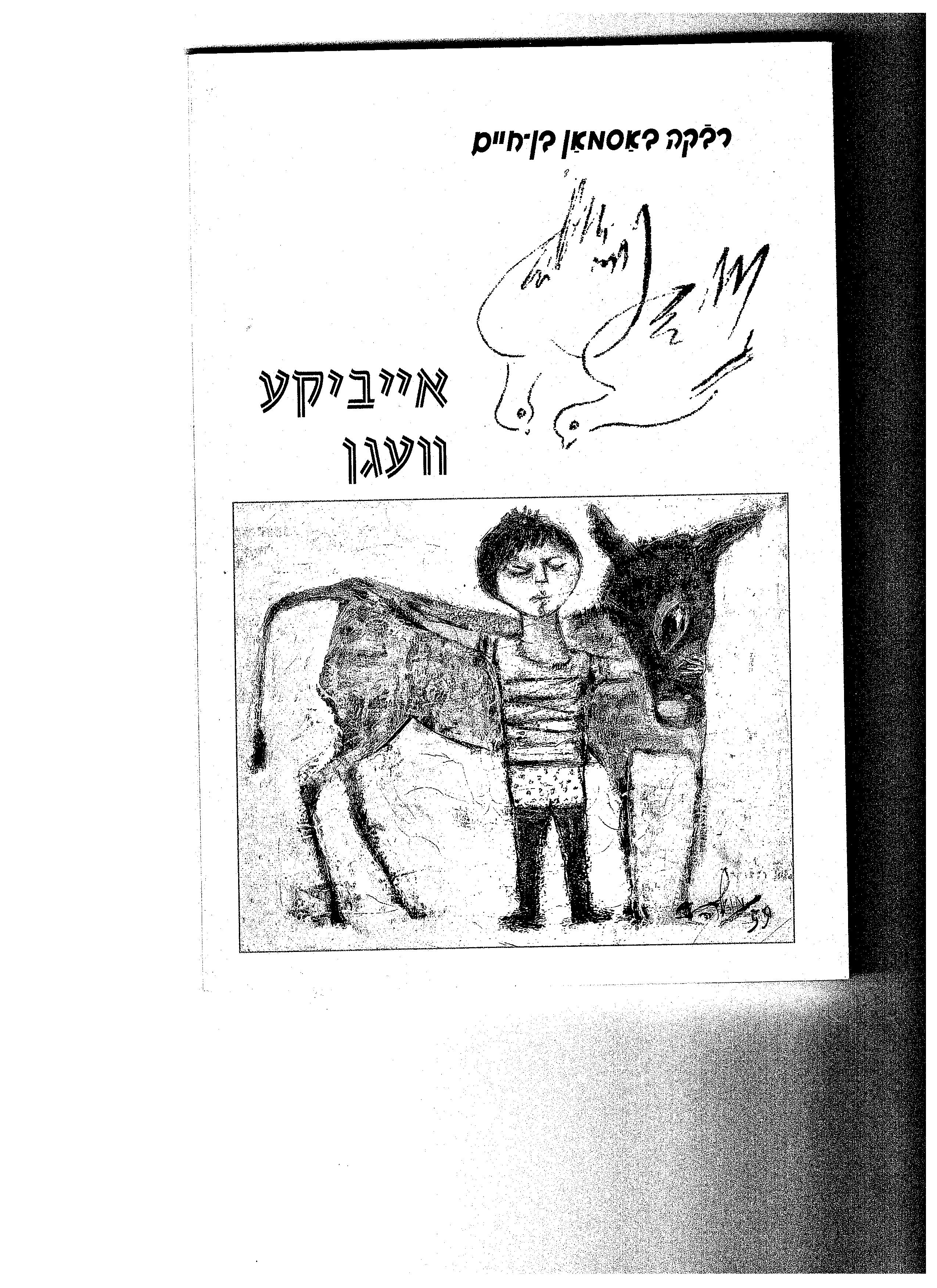
Basman Ben-Hayim, who took on her husband’s name after his death, has written nine books of poetry, and put out two volumes of collected works. She has won just about every prize known to the Yiddish world, among them the Hofstein prize and the Manger prize. She has also written Yiddish translations of, and put out a dual language (Hebrew-Yiddish) book with, the Hebrew language poet Roni Somek. Over the years, Hebrew translations of her Yiddish poems have appeared in Hebrew language journals, so she was not entirely unknown to the Hebrew-reading public. This year, fourteen different well-known Hebrew translators put out a book of her poems translated into Hebrew. Entitled “Al Metar Ha-Geshem”, “On a String of Rain”, it takes Yiddish poems she has written over sixty years and puts them into poetic, living Hebrew so Israeli lovers of poetry can see what they were missing. It is time the English reading world got an equal chance to see what they are missing.
Posted in Uncategorized
3 Comments